

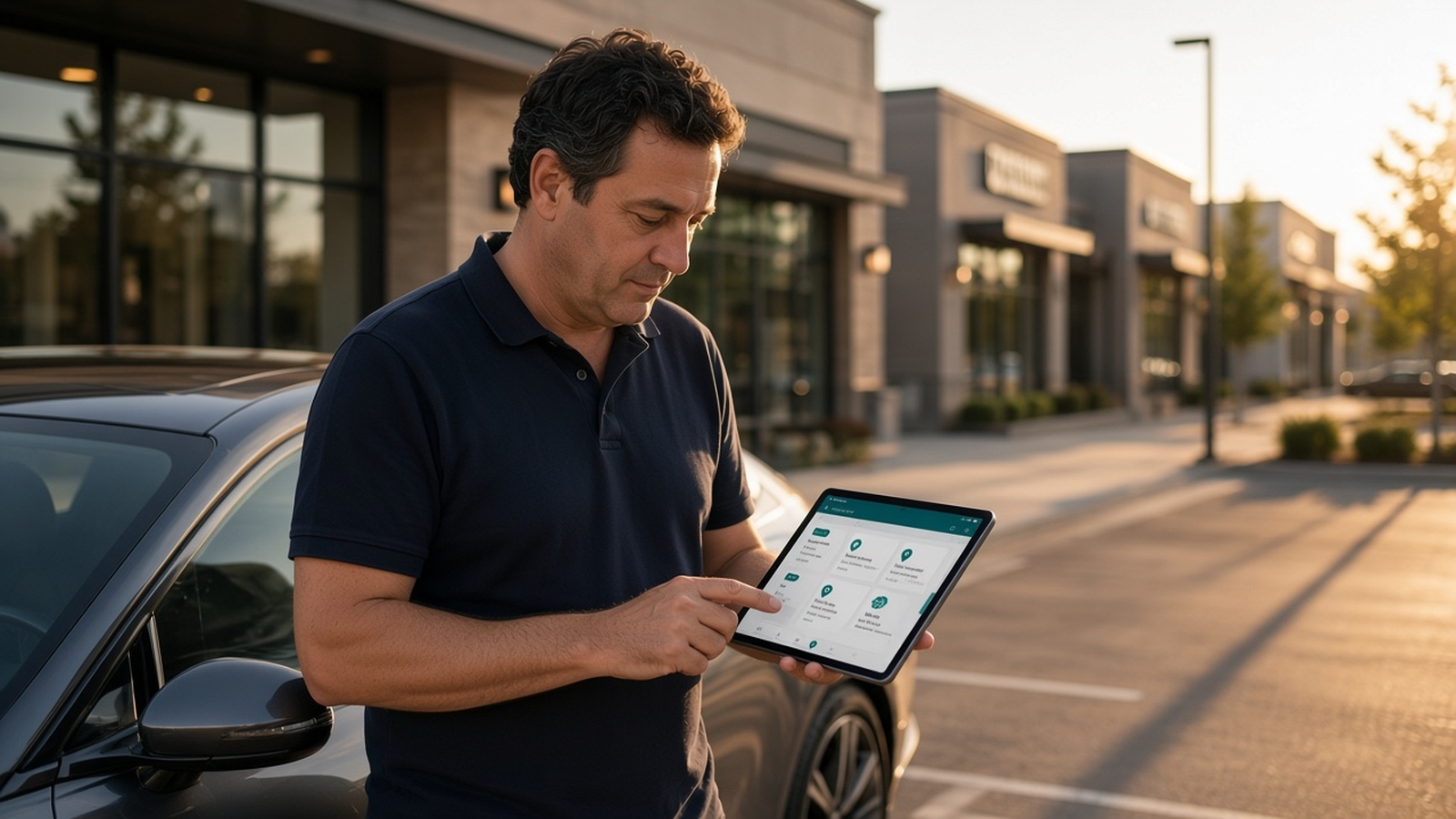
If you run three or more fast-casual locations, you already know the math. Two stores can feel like a stretch. Three is when you stop managing shifts and start managing managers — or you try to clone yourself and burn out trying.
I got there the hard way across Jersey Mike's and Blaze. The fantasy is that you're "in the stores." The reality, on a Tuesday, is that you're on the freeway answering "who's closing the other store?" while another location just had a no-show and the third is fine until it isn't.
The multi-unit trap nobody puts on the franchise brochure
Single-unit operators fight the shift in front of them. Multi-unit operators fight information lag.
- Store A texts you a problem that Store B solved last month — and you weren't CC'd.
- A GM posts a schedule that looks fine until you see actual punches midweek.
- One closer is carrying every call-out across the group because they're "reliable."
- You find out a store skipped closes when the opener complains, not when the list failed.
You're not short on hustle. You're short on a shared picture that doesn't require you to be the network. Industry groups like the National Restaurant Association keep publishing how thin restaurant margins and labor pressure already are; adding a third door without a system just multiplies the same leaks.
What "connected operations" actually means on the floor
Ignore the buzzwords. For a three-store fast-casual group, connected means four boring things done the same way:
- One schedule truth per store, with swaps and pickups that don't hide in a group chat — see why the schedule shouldn't live in a group text.
- Punches that sit next to that schedule, so Monday isn't detective work — the pattern in when punches don't match the paycheck.
- Opening and closing work you can see without driving over — checklists crews actually finish.
- A way for a manager to get help covering a shift without calling you first — including the 10:02 PM quit text.
If any one of those lives only in someone's phone, you are the integration layer. That's a bad job description for an owner.
A weekly rhythm that scales past two stores
This is the cadence that kept me sane when I couldn't physically open every door:
Monday — punch and schedule cleanup. Fifteen minutes per store, not an archaeology dig. If punches don't match every week, fix the system, not the mood. Personal PINs and a clock tied to the schedule also cut the quiet labor leak of buddy punching.
Wednesday — hours projection. Who's drifting toward overtime before Friday decides for you. Midweek is when you still have moves. The Department of Labor's overtime overview is the federal baseline; your state may add daily overtime on top.
Daily — exception only. You should hear about no-shows, missed deposits, equipment down, and guest-harming misses. You should not need a play-by-play of a normal lunch.
Sunday — next week's coverage holes. Look at the posted schedule for thin closes and stacked doubles. Fill them while people still have weekend plans to change.
The point isn't more meetings. It's fewer surprise drives.
Why managers and crews stick with tools that respect the shift
Multi-unit software fails when it's built for the corporate dashboard first. Managers ignore it. Then you only see pretty charts that lie.
What gets used is what helps the person running dinner:
- Crew can see their schedule without hunting a muted text thread.
- A shift lead can punch in on a tablet without a science project.
- A GM can send coverage to people who want hours instead of spamming the whole roster.
- An owner can spot the store that's quiet on checklists without playing gotcha in the parking lot.
That's why we built CrooHQ around the store day — scheduling, time clock, checklists — and put Theo inside the app. Theo is a voice AI agent managers talk to. He finds shift coverage, can help with punches, gives sales projections, and flags slow hours using that store's data. When you're across town, your GM isn't stuck choosing between calling you and guessing. What Theo actually does on a shift is worth reading before you dismiss "AI" as another chatbot.
Crews feel it too. Fair coverage requests and a clock that matches the schedule beat mystery edits and "I'll fix it Monday."
What CrooHQ is not trying to be
We feed payroll and QuickBooks. We don't replace them. Multi-location restaurant operations software should make the daily work honest across doors — not pretend to be your accountant, your HRIS, and your POS in one slide deck. More from the floor lives on the CrooHQ blog.
If you're the person every GM calls at 9:40 PM, bring that pattern to a walkthrough. We'll look at how your stores hand off schedules, punches, and closes today, and what would have to change so the car stays parked more often.
Built for operators, by operators.