

Most "AI for restaurants" demos I've sat through end the same way. A chatbot summarizes a PDF. A dashboard lights up. Nobody on the closing shift would open it when tickets are firing.
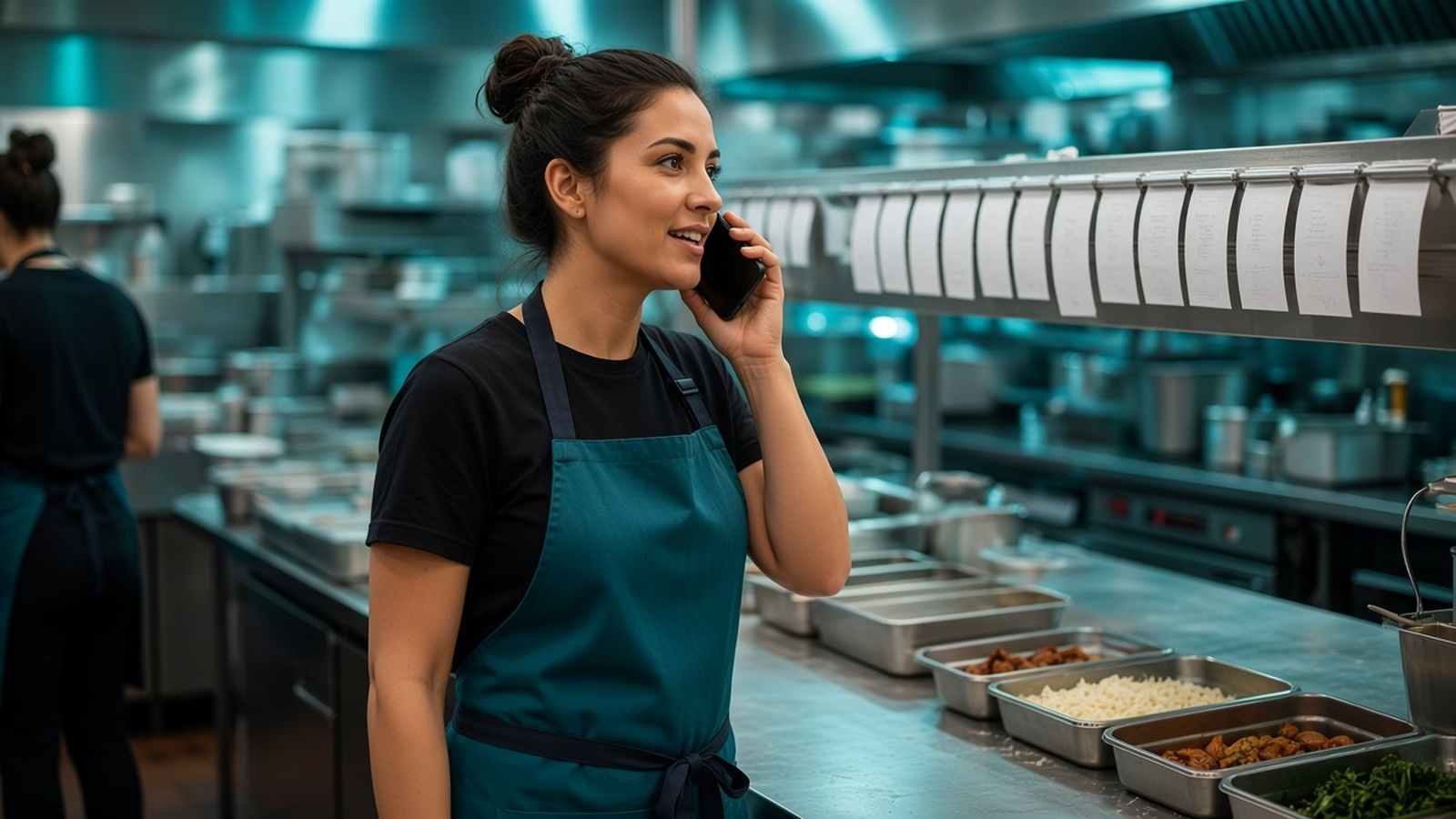
Theo is built for the opposite moment: a manager with one hand free and a problem that can't wait for a report. He's CrooHQ's voice AI agent, inside the app. You talk to him. He uses your store's data. He does work — find coverage, help with a punch, give a sales projection, flag a slow stretch — instead of pointing you at another screen.
I refer to Theo as he, because that's how managers talk about him after the first week. Not "the assistant." Him.
Why voice matters on a restaurant floor
Managers don't fail because they can't read charts. They fail because the floor won't pause.
- Someone just quit by text while you're already home — the 10:02 PM closer problem.
- You're mid-rush and need to know if you can cut a person.
- A crew member forgot to punch and you're holding a tablet, not a keyboard.
- You're across town and the GM needs a second set of eyes without a 20-minute call.
Typing through five menus is how software loses to a phone list. A conversation that pulls the right people and the right hours is how software earns a spot next to the make line. That's the bar we set when we built CrooHQ.
What Theo can actually do today
Keep this list honest. Hype is how restaurant tech loses trust.
Shift coverage. Ask him to help cover a shift. He checks availability and looks for someone who needs the hours, with labor context in mind — not a blind blast to the whole roster. That matters when your best people are already close to overtime under FLSA overtime rules.
Punches. He can help with time-punch workflows managers already run in CrooHQ, so fixing a miss doesn't mean abandoning the floor for the office PC. Clean punches are still on you and your crew; Theo just removes friction. The Monday pain of punches that don't match the paycheck is exactly what we're trying to shrink.
Sales projections. He can give you a read based on your store's data so you staff the day you have, not the day you hoped for.
Slow-hour flags. When the afternoon dies, waiting until tomorrow's labor % is how you pay for hope. A flag while people are still on the clock is a decision, not a postmortem.
If your schedules still change in a muted thread, Theo is fighting the same fog as every other tool — start by getting out of the group-text schedule.
What Theo is not
This section matters more than the feature list.
- He is not an external gadget you chain to five systems and hope syncs.
- He does not replace your judgment on who you trust on a close.
- He does not process payroll or replace QuickBooks. CrooHQ feeds those systems; it doesn't swallow them.
- He does not promise autonomous compliance, hiring, or "set and forget" scheduling.
- He does not invent hours or people who aren't on your crew.
AI theater is easy. Operator trust is slow. We'd rather be boring and useful.
Why crews and managers like working this way
Crews don't fall in love with "platforms." They notice when coverage asks feel fair, when the clock matches what they worked, and when the closer isn't punished for being reliable. Managers notice when they can solve a staffing hole without disappearing into the office — and when the owner isn't texting "any update?" every twenty minutes because they can't be in three stores at once.
Daily work still needs humans. Opening and closing checklists and handoff notes don't go away because you can talk to Theo. They get easier when they live in the same place as the schedule and the clock.
More operator writing lives on the CrooHQ blog. If you want to see Theo on a real coverage ask — not a slide — bring your worst late-night text to a walkthrough.
Built for operators, by operators.